
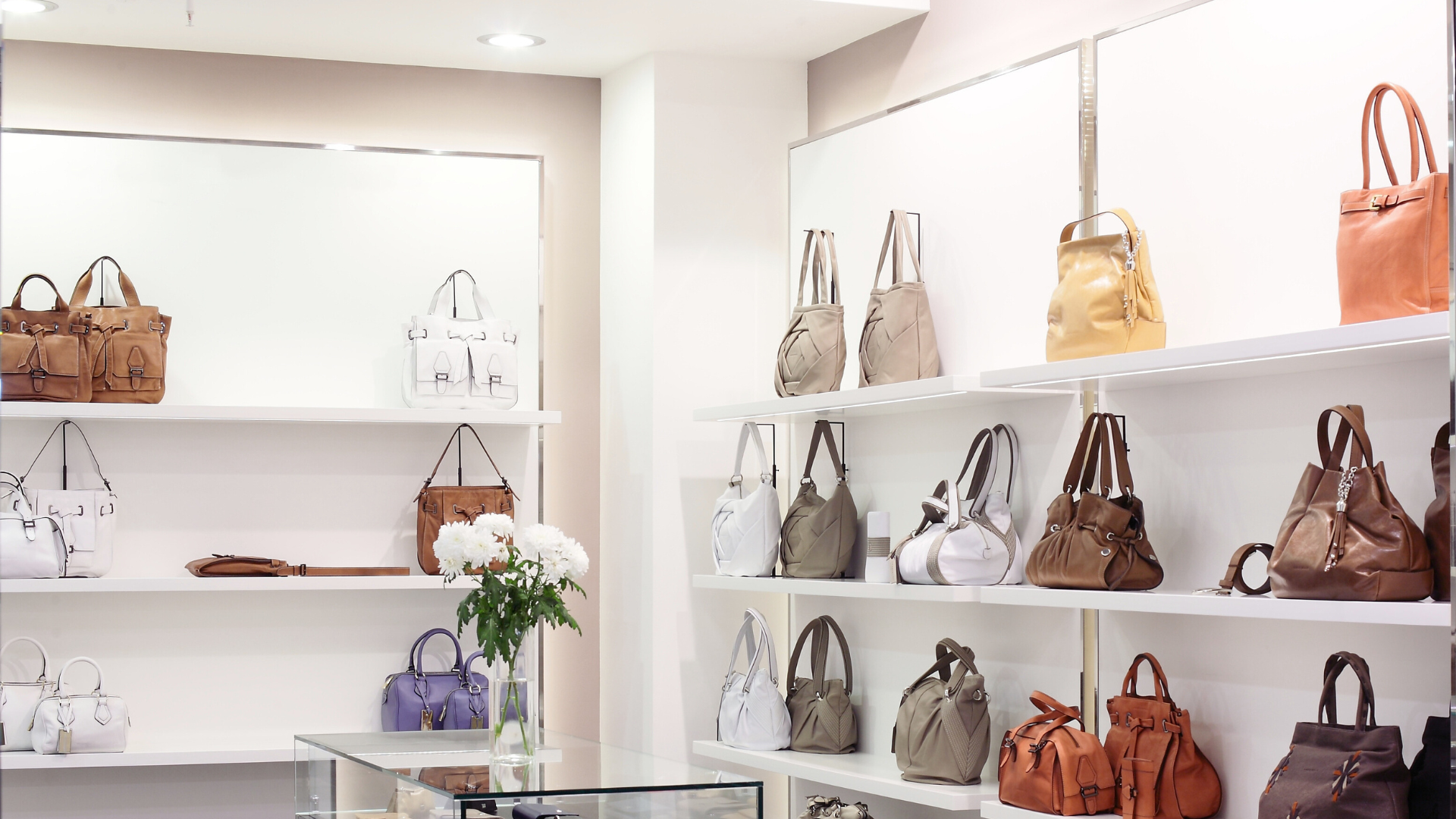
Luxury fashion is not just about expensive garments; it is a complex interplay between desire, status, and human psychology. People are often drawn to luxury goods because they evoke feelings of exclusivity and prestige. The psychology behind this allure reveals that luxury fashion serves as a powerful tool for self-expression and social signaling.
Luxury brands craft narratives around their products, making consumers feel part of an elite group. This connection fosters loyalty and aspiration, as individuals believe that owning these items places them in a higher social echelon. The emotional bonds formed with luxury fashion are significant, influencing both attraction and identity.
The appeal of luxury fashion transcends mere aesthetics. It taps into deeper psychological needs for belonging and validation. Understanding this dynamic can provide insight into consumer behavior and the powerful role that luxury goods play in shaping perceptions of self-worth and attraction.
The Psychological Foundations of Luxury Fashion
The psychology behind luxury fashion encompasses various aspects, including the desire for status, personal identity, consumer behavior, and the connection to happiness. These elements work together to explain why individuals gravitate towards luxury items.
The Desire for Status Symbols and Social Comparison
Status symbols play a significant role in the allure of luxury fashion. They act as markers of social standing, helping individuals communicate their wealth or taste to others. Items such as designer handbags, high-end watches, and exclusive clothing brands serve as tangible evidence of affluence. High-end watches are especially popular because they hold their value well over time. Many people view these pieces as investments rather than simple accessories. When collectors want to update their collection, they often sell their older models to trusted dealers. Platforms like bigwatchbuyers.com/ help people trade or sell these valuable items safely. This secondary market supports the ongoing cycle of luxury consumption.
People often engage in social comparison by assessing themselves against peers. This can lead to a heightened desire for luxury goods, especially when they perceive others possessing such items. This behavior is particularly prominent in competitive social environments, where status influences relationships, self-esteem, and even professional opportunities.
Signaling Theory and Personal Identity
Signaling theory suggests that individuals use luxury items to convey their identity and values. High-end brands are often associated with certain lifestyles, attitudes, and social circles. Through their clothing and accessories, luxury consumers signal their alignment with these social identities.
This connection between branding and personal identity is essential. The desire to fit into specific social groups or to project an aspirational identity drives many purchasing decisions. Luxury fashion becomes not just a consumer choice but a means of expressing individuality and aligning with desired social norms.
Consumer Preferences and Behaviour
Consumer preferences in luxury fashion often revolve around exclusivity and rarity. Positional goods, which are valued for their scarcity rather than their intrinsic utility, significantly attract customers. This creates a unique dynamic in the luxury market, where availability often enhances desirability.
Luxury consumers tend to demonstrate a preference for brands that have established a strong heritage or reputation. Quality, craftsmanship, and unique design influence their purchasing decisions. Therefore, knowledge of a brand’s history and prestige can strongly impact consumer behavior in this sector.
The Role of Happiness and Wellbeing
The relationship between luxury fashion and happiness is complex. While owning luxury items may provide temporary satisfaction, the long-term impact on well-being varies. Many consumers report feeling happier when they acquire luxury goods, linking their purchases to self-esteem and self-worth.
However, the emotional benefits can be fleeting. The initial joy can fade, leading individuals to seek out new luxury items to regain that sense of happiness. This cycle can result in a continual pursuit of material possessions as a means of emotional fulfillment, highlighting the psychological intricacies involved in luxury consumption.
The Appeal of Luxury Brands and Items
Luxury brands captivate consumers through a combination of brand identity, exceptional craftsmanship, trust, and exclusivity. These elements work together to create a powerful allure that enhances desirability and consumer attachment.
Brand Identity and Storytelling
Luxury brands often cultivate a strong brand identity. They achieve this through compelling storytelling that resonates with their target audience. Each luxury brand communicates a narrative that reflects its heritage, values, and vision.
Brand storytelling builds an emotional connection with consumers. It allows them to see the brand as a lifestyle choice rather than just a product. For instance, brands like Chanel and Louis Vuitton create rich histories that consumers feel a part of, increasing brand loyalty.
Craftsmanship and Quality Perception
Craftsmanship sets luxury items apart from standard products. High-quality materials and meticulous attention to detail define the luxury experience. Brands invest heavily in artisanship, ensuring that each item demonstrates superior quality.
Consumers often associate luxury brands with exclusivity, reinforced by the craft involved. This perception enhances the appeal, as buyers feel they are investing in items that embody skill and artistry. This commitment to quality assures customers of the longevity and value of their purchase. Additionally, with the help of modern technology from firms like Hautech.AI, luxury brands can bring in customized and diverse presentations of their products. This can help in maintaining customer expectations by showcasing the craftsmanship in a personalized way.
Honesty, Trust, and Attachment in Luxury
Honesty and trust play significant roles in the luxury market. Consumers expect transparency regarding sourcing, production, and pricing. Brands that uphold these values foster loyalty and attachment among their clientele.
As consumers align themselves with brands that epitomize honesty, they develop a sense of belonging. This attachment can turn casual buyers into lifelong advocates. Hence, luxury brands that maintain integrity often enjoy sustained success.
Exclusivity and Conspicuous Consumption
Exclusivity is a fundamental aspect of luxury brands. Limited editions and rare items create a sense of scarcity that elevates desirability. Consumers are drawn to the idea of owning something unique that not everyone can possess.
Conspicuous consumption reflects the desire to showcase wealth and status through luxury items. Buyers often purposefully seek out luxury goods to signify success. This phenomenon drives demand for brands that project a lifestyle of opulence, further solidifying their allure in the market.
Influences Shaping Modern Luxury Fashion Attraction
Various factors contribute to the appeal of luxury fashion today. Social media platforms, especially Instagram, play a crucial role in shaping consumer perceptions. Millennials are increasingly becoming significant consumers of luxury brands. Additionally, iconic brands and luxury cars drive aspiration and status, while shifts in consumer attitudes impact how luxury is viewed.
The Impact of Social Media and Instagram
Social media, particularly Instagram, has transformed luxury fashion marketing. Brands leverage visually appealing content to engage consumers. With Instagram’s strong emphasis on imagery, luxury brands showcase their products in aspirational contexts. This platform allows consumers to interact directly with brands, creating a sense of intimacy.
The influence of social media extends to influencers and celebrities who endorse luxury items. Their endorsements can swiftly elevate a brand’s desirability. User-generated content also showcases how real consumers style luxury pieces, adding authenticity to brand narratives. This trend highlights a shift from traditional advertising to a more community-driven approach.
Millennials as Luxury Consumers
Millennials represent a pivotal demographic in the luxury market. Their consumer behavior is defined by a desire for authenticity and personal connection with brands. Unlike previous generations, millennials prioritize experiences over mere possessions. They seek out brands that align with their values, opting for sustainability and ethical practices.
Luxury brands must adapt to these expectations to attract millennial consumers. Engaging storytelling and a strong online presence are key. Brands like Louis Vuitton have successfully created campaigns that resonate with younger audiences, emphasizing heritage while embracing modern trends. This approach fosters a deeper emotional connection.
The Role of Iconic Brands and Luxury Cars
Iconic brands serve as status symbols in luxury fashion. Labels such as Louis Vuitton and Chanel embody prestige and exclusivity. Owning products from these brands often signifies wealth and social standing, appealing to consumers’ desires for recognition.
Luxury cars also play a significant role in the attraction of luxury fashion. Brands like Ferrari and Lamborghini represent power and success. The synergy between luxury clothing and high-end automobiles reinforces a lifestyle that many aspire to attain. This connection elevates the overall allure of luxury fashion.
Shifts in Consumer Attitudes Towards Luxury
Consumer attitudes towards luxury have evolved significantly. There is a growing preference for brands that emphasize transparency and social responsibility. Consumers are more informed and make purchasing decisions based on a brand’s commitment to ethical practices.
Moreover, the traditional notion of luxury is being redefined. Consumers now value originality and uniqueness, as opposed to simply high price points. This shift encourages brands to innovate and create products that resonate on a personal level. Luxury is increasingly viewed as an experience rather than a mere transaction.