
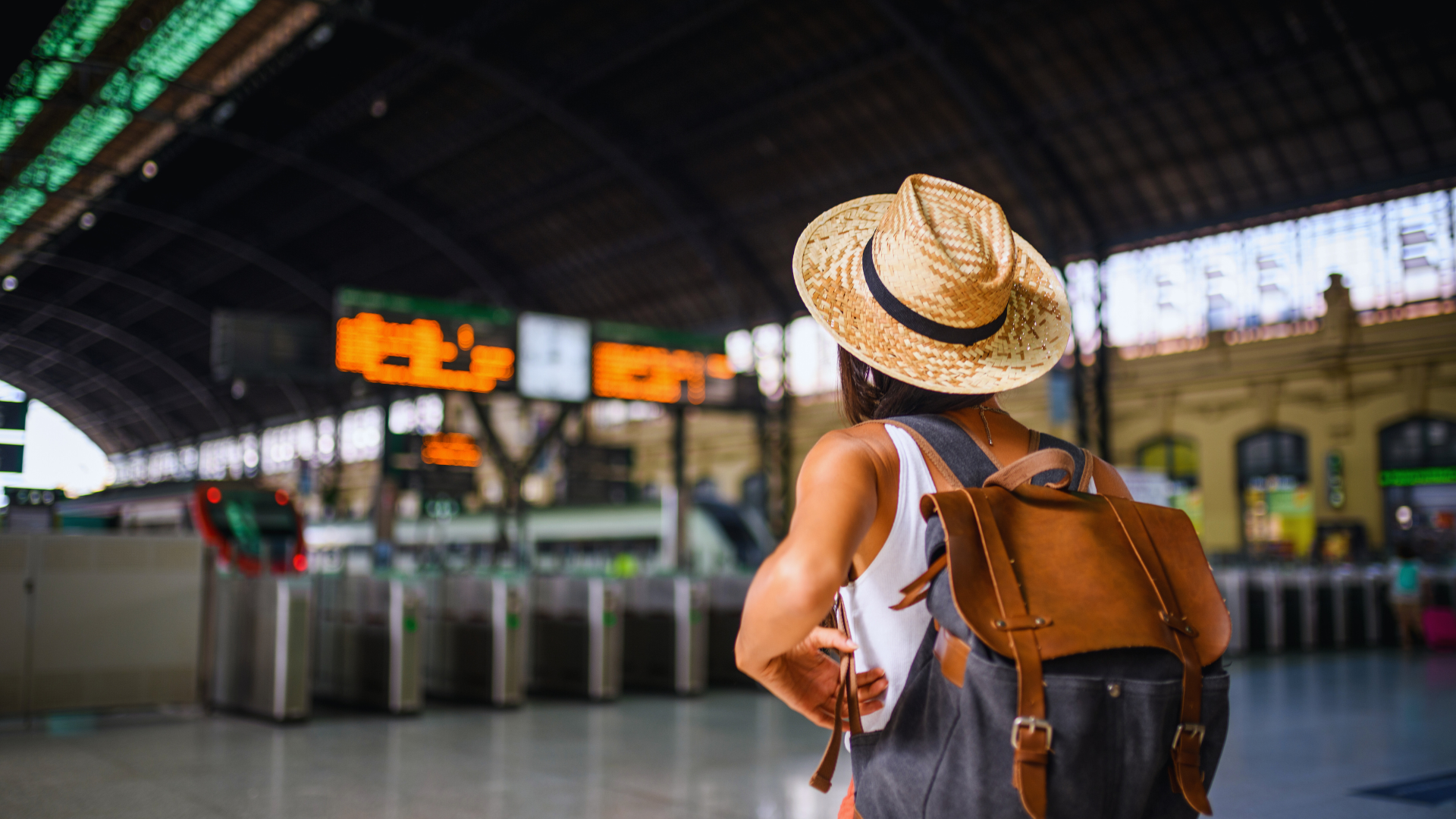
Travelling solo can be daunting, but it offers unmatched freedom and personal growth. Many hesitate due to fear or uncertainty, yet confidence is the key to transforming a solo trip into an empowering experience.
Building confidence while travelling alone starts with preparation, self-awareness, and embracing independence. These elements help travellers navigate challenges smoothly and enjoy their journey fully.
Understanding practical tips and adopting the right mindset can make all the difference. This guide explores essential confidence tips that help solo travellers feel in control and travel like a queen.
Essential Confidence Tips for Travelling Solo Like a Queen
Building confidence for solo travel involves practical steps, a strong mindset, and learning to face fears directly. Preparation helps travellers feel secure while encouraging personal growth through independent decision-making. Awareness and positivity shape the way solo female travellers experience new environments.
Starting Small and Building Up to Solo Adventures
Starting with short, familiar trips can help build self-confidence. Trying a day trip or weekend getaway alone allows travellers to adjust without pressure. These small adventures teach basic planning skills like booking accommodation and navigating public transport.
Gradually increasing trip length and complexity helps develop trust in one’s own abilities. Keeping emergency contacts and backup plans reassures first-time solo travellers. Each successful outing strengthens self-confidence and readiness for longer expeditions.
Tracking achievements, such as overcoming challenges or meeting locals, offers tangible proof of progress. This step-by-step approach stops overwhelming feelings, making solo travel feel manageable and empowering.
Developing a Positive Solo Travel Mindset
A positive mindset is critical for solo female travel confidence. Focusing on opportunities for learning, freedom, and personal growth reframes potential challenges as valuable experiences. Affirmations and visualisation techniques support mental preparation.
Embracing flexibility reduces anxiety about the unexpected. Accepting that plans may change encourages adaptability without self-criticism. Travellers who focus on problem-solving rather than what could go wrong nurture resilience.
Respecting personal limits prevents burnout and maintains well-being. Confidence grows when travellers acknowledge their needs and choose activities accordingly. Maintaining a mindset of curiosity, rather than fear, turns every solo travel moment into a chance for development.
Overcoming Common Solo Travel Fears
Fear of loneliness, safety concerns, and getting lost are common barriers to solo travel. Addressing these directly improves confidence. Connecting with other travellers or locals through group tours, cafés, or online communities reduces isolation.
Safety measures include researching destinations, avoiding risky areas, and carrying necessary items like a phone charger and emergency contacts. Being aware of surroundings and trusting instincts enhances security.
Navigational tools such as maps and GPS apps prevent the fear of getting lost. Practising reading directions and planning routes before departure builds comfort. Clear goals for each day focus attention and decrease uncertainty, helping solo travellers feel in control.
Practical Strategies for Embracing Your Solo Journey
Solo travellers benefit from thorough preparation, clear communication, and an understanding of local culture. These factors reduce uncertainty and increase enjoyment on the trip.
Research and Planning for a Smooth Trip
A detailed itinerary helps solo travellers feel in control. They should prioritise booking accommodation in safe, central locations and note nearby transport options.
Using tools like travel blogs offers real experiences and tips. Travellers can list essential phrases in a language app or Google Translate to prepare for common interactions.
Emergency contacts and local medical facilities should be noted. Planning allows flexibility, but having planned key activities minimises stress.
Effective Communication on the Road
Clear communication aids navigation and social interactions. Learning basic greetings and polite phrases in the local language fosters respect and ease.
Using Google Translate offline prevents communication breakdowns. When asking for directions or help, speaking slowly and using gestures improves understanding.
Carrying a printed card with important information in both languages can be helpful. Engaging confidently with locals often leads to safer and richer travel experiences.
Navigating Local Events and Cultural Differences
Attending local events introduces a solo traveller to authentic culture. Checking community boards, travel blogs, and local websites helps identify safe and interesting events.
Respecting customs, dress codes, and behaviour avoids misunderstandings. Observing others’ behaviour at events aids adaptation without drawing unwanted attention.
Connecting with locals at these events can enhance safety and cultural insight. Being open yet cautious maintains confidence while exploring unfamiliar environments.
Safety, Well-Being, and Resources for Confident Solo Travellers
Maintaining mental health and safety during solo travel is vital. Having the right tools and knowledge boosts confidence and helps navigate risks effectively.
Protecting Your Mental Health and Self-Esteem
Solo travel can challenge mental health and self-esteem, especially when dealing with loneliness or unexpected setbacks. It’s important to establish routines that support emotional well-being, such as regular journaling or mindfulness exercises. These activities help maintain a sense of control and self-awareness.
Setting achievable daily goals during travel can improve self-esteem. Celebrating small successes, like navigating public transport or trying new foods, nurtures confidence.
Carrying familiar comfort items, like favourite books or photos, aids emotional stability. Reaching out to trusted friends or support groups online offers connection and reassurance when feeling isolated.
Staying Safe: Insurance and Digital Tools
Travel insurance is essential. It covers medical emergencies, trip cancellations, and lost belongings. Choosing a policy tailored to solo travellers ensures coverage for activities planned, such as hiking or cultural tours.
Digital tools strengthen safety efforts. Emergency apps can alert contacts or local authorities. Location sharing with a trusted person is a key precaution.
eSIMs provide reliable mobile data without swapping SIM cards. This keeps communication uninterrupted and access to important resources available. Ensuring devices are password-protected and updated reduces hacking risks.
Staying Connected with Technology
Reliable communication protects both safety and mental well-being. Using messaging apps with end-to-end encryption shields personal conversations during travel.
Portable chargers and power banks keep devices operational throughout the day. Public Wi-Fi should be used with VPNs to prevent data theft.
Planning communication times reduces anxiety; deciding when to check in with family or friends creates a balanced connection without distraction. Technology can support independence while maintaining important social ties abroad.