
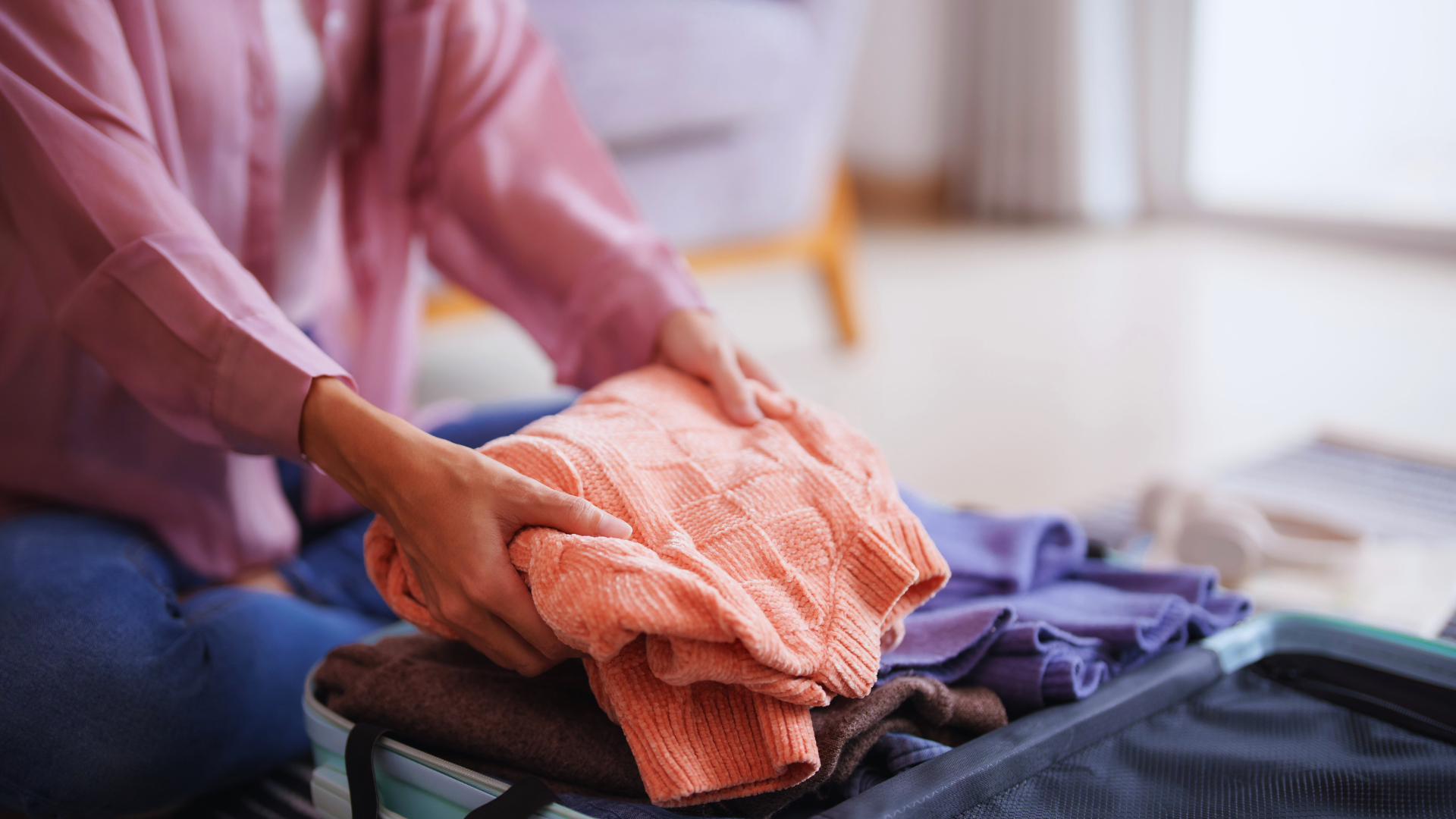
Frequent travellers know that packing smart is crucial to a successful trip. The ultimate travel wardrobe for jet-setters combines versatility, comfort, and style to fit various climates and occasions without overpacking. This approach saves time and reduces stress when moving from one destination to another.
Choosing key pieces that layer well and serve multiple purposes is essential. Lightweight fabrics, neutral colours, and wrinkle-resistant materials make it easier to maintain a polished look, whether in a business meeting or a casual sightseeing day.
Efficiently curating a wardrobe means prioritising items that transition effortlessly and adapt to unexpected changes. Understanding these principles helps travellers avoid common packing mistakes and stay prepared for any journey.
Building the Perfect Capsule Wardrobe for Jet-Setters
Creating a travel capsule wardrobe requires careful selection of items that maximise style and practicality. Focus is on essential pieces, a cohesive colour scheme, and clothing that pairs effortlessly for varied occasions.
Fundamental Pieces Every Traveller Needs
A travel wardrobe centres on a few key garments that serve multiple purposes. A well-fitted dark blazer works for both business meetings and casual dinners. Comfortable trousers in breathable fabrics like cotton or linen offer flexibility for diverse climates.
Layering pieces such as basic t-shirts and lightweight knitwear adapt easily to temperature changes. A pair of neutral-coloured shoes, like loafers or trainers, balances comfort with sophistication. Including a waterproof jacket is prudent for unpredictable weather, ensuring the traveller stays dry without bulk.
Choosing a Versatile Colour Palette
Selecting a colour palette reduces decision fatigue and ensures each item mixes and matches effortlessly. Jet-setters benefit from a base of neutrals such as navy, black, grey, and white. These colours work well across formal and casual looks.
Adding one or two accent colours like olive green or burgundy provides variety without compromising coordination. This approach simplifies packing and maximises the number of outfit combinations. Avoid overly bright or trendy colours that might clash or limit versatility.
Mix-and-Match Essentials
Mix-and-match capability defines an efficient travel capsule wardrobe. Garments should pair well vertically and horizontally, allowing style variation without extra luggage.
Examples include a white button-up shirt that pairs with jeans, chinos, or skirts. A black dress can shift from daywear with trainers to evening style with heels. Accessories such as scarves, belts, and watches help personalise looks while remaining lightweight and compact. This strategy ensures adaptability for different destinations and activities.
Smart Packing Strategies and Carry-On Essentials
Every item in a travel wardrobe should serve a purpose and fit seamlessly into a limited space. Packing strategies that balance functionality and weight can streamline journeys significantly.
How to Pack Smarter and Lighter
They should prioritise versatile clothing made from lightweight, wrinkle-resistant fabrics. Rolling clothes instead of folding saves space and reduces creases. Use packing cubes to categorise items, making retrieval quick and efficient.
Shoes should be limited to two pairs: one casual and one dressy or sport-specific. Travel-sized toiletries reduce bulk, while multipurpose products minimise the number of containers. Planning outfits avoids overpacking and ensures every piece can be mixed and matched.
Efficient Layering Techniques
Layering starts with thin, breathable base layers that wick moisture. Mid-layers provide insulation, adaptable for changing climates. Outer layers must be lightweight, waterproof, and windproof to protect without adding weight.
Choose neutral colours that complement each other across layers, increasing mix-and-match potential. Compressible layers, such as packable down jackets, save room and maintain warmth. This approach allows for smooth transitions between temperatures and activities.
Carry-On Organisation Tips
They should separate tech gear, documents, and essentials into accessible compartments. A dedicated pouch for chargers, headphones, and adapters prevents tangles and loss. Keep liquids within airline restrictions in a transparent, resealable bag.
A personal item like a tote or backpack should accommodate valuables and a change of clothes for emergencies. Frequent flyers benefit from compact travel organisers that fit easily inside carry-ons while preserving space for necessary items.
Key Clothing and Footwear Items for Stylish Travel Outfits
A well-curated travel wardrobe centres on pieces that balance comfort, style, and adaptability. Practical items like base layers, footwear options, outerwear, and bottoms ensure travellers remain polished without sacrificing convenience.
Choosing the Right Base Layers
Base layers should be breathable and moisture-wicking to maintain comfort in varying climates. Lightweight cotton or merino wool tops provide insulation while being soft against the skin.
Neutral colours such as white, grey, or navy allow easy pairing with other garments. Shirts or thin jumpers with simple cuts avoid bulkiness and fit smoothly under jackets or coats.
The base layer must be versatile enough for layering or wearing alone. Fabric durability and washability matter for frequent use during trips.
Must-Have Shoes for Travel
Footwear choices must combine comfort, durability, and style for long days of walking or transit. White sneakers are a staple for casual, clean looks that complement most outfits.
Ankle boots offer a more polished option, suitable for evenings or colder destinations, especially leather pairs that resist wear. Both shoe types should have supportive soles to reduce fatigue.
Water-resistant finishes or quick-drying materials increase their practicality. Slip-on styles or secure lacing help with airport security and quick removals.
Essential Outerwear Selections
Outerwear must protect from unpredictable weather and add a sharp silhouette. A classic wool coat is ideal for cooler climates, offering warmth without heaviness or loss of elegance.
Neutral colours like camel, black, or charcoal provide versatility. Lightweight jackets with water-resistant fabrics serve well in wet conditions or milder temperatures.
Compact ease of packing is key, so designs that fold well without wrinkles are preferable. Details such as adjustable collars or removable linings enhance adaptability.
Tailored Trousers and Versatile Bottoms
Tailored trousers form the backbone of a smart travel wardrobe. Slim or straight cuts in dark hues like black, navy, or grey create a streamlined look that transitions from day to evening.
Fabrics with some stretch offer comfort during extended wear. Versatile bottoms such as chinos or well-fitted denim provide casual alternatives.
Foldable, crease-resistant materials simplify maintenance on the go. Matching trousers with white sneakers or ankle boots completes coordinated, comfortable outfits.
Adapting Your Travel Outfits for Different Destinations and Occasions
Successful travel wardrobes balance versatility and practicality. Dressing appropriately for various settings requires smart layering, strategic accessories, and weather-appropriate choices.
Transitioning Daywear to Evening Looks
He or she can easily elevate a simple day outfit by swapping trainers for smart loafers or block heels. Adding a tailored blazer or sleek jacket instantly refines a look without taking up much luggage space.
A classic button-down shirt or a structured dress works well from afternoon sightseeing to evening dinners. Neutral colours provide a stable base for layering and accessorising, making transitions smoother.
Packing a statement accessory, such as a silk scarf or bold necklace, instantly sharpens the outfit. This approach maximises outfit versatility while maintaining comfort.
Seasonal Adjustments and Weather Considerations
Packing for differing climates requires layering key items such as thin merino wool tops or lightweight down jackets. These serve well in cooler mornings and warm afternoons.
Water-resistant outerwear is essential when facing unpredictable weather, especially in tropical or temperate zones prone to rain. Breathable fabrics like cotton and linen are suited for hot climates.
Choosing shoes with good grip and comfort reduces travel strain, but also depends on terrain—sneakers for urban exploration and waterproof boots for rugged trails. Adaptation to expected conditions minimises overpacking.
Accessorising for Function and Style
Accessories should balance practicality with style. A compact crossbody bag keeps essentials secure while fitting airport security requirements.
Sunglasses with UV protection and wide-brimmed hats shield from sun exposure. For colder climates, thermal gloves and scarves provide warmth without bulk.
Watch or minimalist jewellery should complement outfits but remain subtle. Multi-purpose items, like a reversible belt or foldable shoes, increase packing efficiency without sacrificing appearance.